
Not all hole saws perform the same in drywall, plaster, and lath — and using the wrong one can cost time, create extra cleanup, or make overhead work more difficult. When you need to cut clean openings for recessed lighting, electrical boxes, plumbing, or other installations, the right cutting style matters.
Two great cutting options for these applications are Kraken carbide tipped hole saws and Carbide Grit hole saws. Each brings a distinct advantage to the job site.
Kraken: Built for Fast, Aggressive Cuts
Kraken carbide tipped hole saws feature a coarse carbide tooth form designed to power through demanding work pieces. They excel in plaster-and-lath 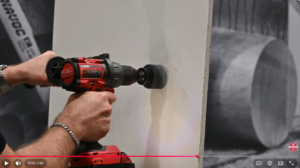 applications, where speed and aggressive cutting performance are essential.
That same tooth geometry makes Kraken a strong choice when productivity is the priority. In ½-inch gypsum board, Kraken delivers faster cuts than carbide grit options — helping crews move quickly through high-volume installation work.
The tradeoff is surface finish quality. Because of its aggressive cutting action, Kraken can leave a rougher edge in drywall that may require some additional cleanup before the next stage of the job.
Choose Kraken when:
- You are cutting plaster and lath.
- Fast cutting speed is your top priority.
- You need an aggressive hole saw for tougher wall and ceiling materials.
- Minor edge cleanup is acceptable.
Carbide Grit: A Cleaner Cut With Lower Cutting Force
Carbide Grit hole saws take a different approach. Rather than cutting with pronounced carbide teeth, they “sand” through the material using an abrasive carbide-grit cutting edge.
This produces lower cutting forces, which can be especially valuable during overhead work — such as installing recessed lighting in a ceiling. When you are working from a ladder, the last thing you need is an aggressive tooth engagement that can grab, shift your balance, or throw you off the top rung.
In ½-inch gypsum board, Carbide Grit hole saws cut more slowly than Kraken, but they leave a smoother, cleaner opening. That can mean less rework before installing a fixture, trim ring, or other component.
Choose Carbide Grit when:
- You want a cleaner, more refined edge in drywall.
- You are cutting overhead or working from a ladder.
- Lower cutting force and greater control matter most.
- Reducing cleanup and rework is worth a slightly slower cut.
Match the Hole Saw to the Job
The best hole saw is not always the fastest one — it is the one that best fits the material, work position, and finish requirements.
| Job Site Priority | Best Choice | Why |
| Cutting plaster and lath | Kraken | Coarse carbide teeth provide aggressive cutting performance |
| Fast cuts in drywall | Kraken | Delivers quicker cutting speed |
| Cleaner drywall openings | Carbide Grit | Produces a smoother edge with less cleanup |
| Overhead recessed lighting installations | Carbide Grit | Lower cutting forces help improve control and stability |
| Minimizing finish work | Carbide Grit | Cleaner cuts can reduce rework |
Whether you prioritize speed or a cleaner finish, understanding the difference between Kraken and Carbide Grit hole saws helps you select the right tool before the cut begins. That means more efficient installs, better-looking openings, and fewer job site frustrations.